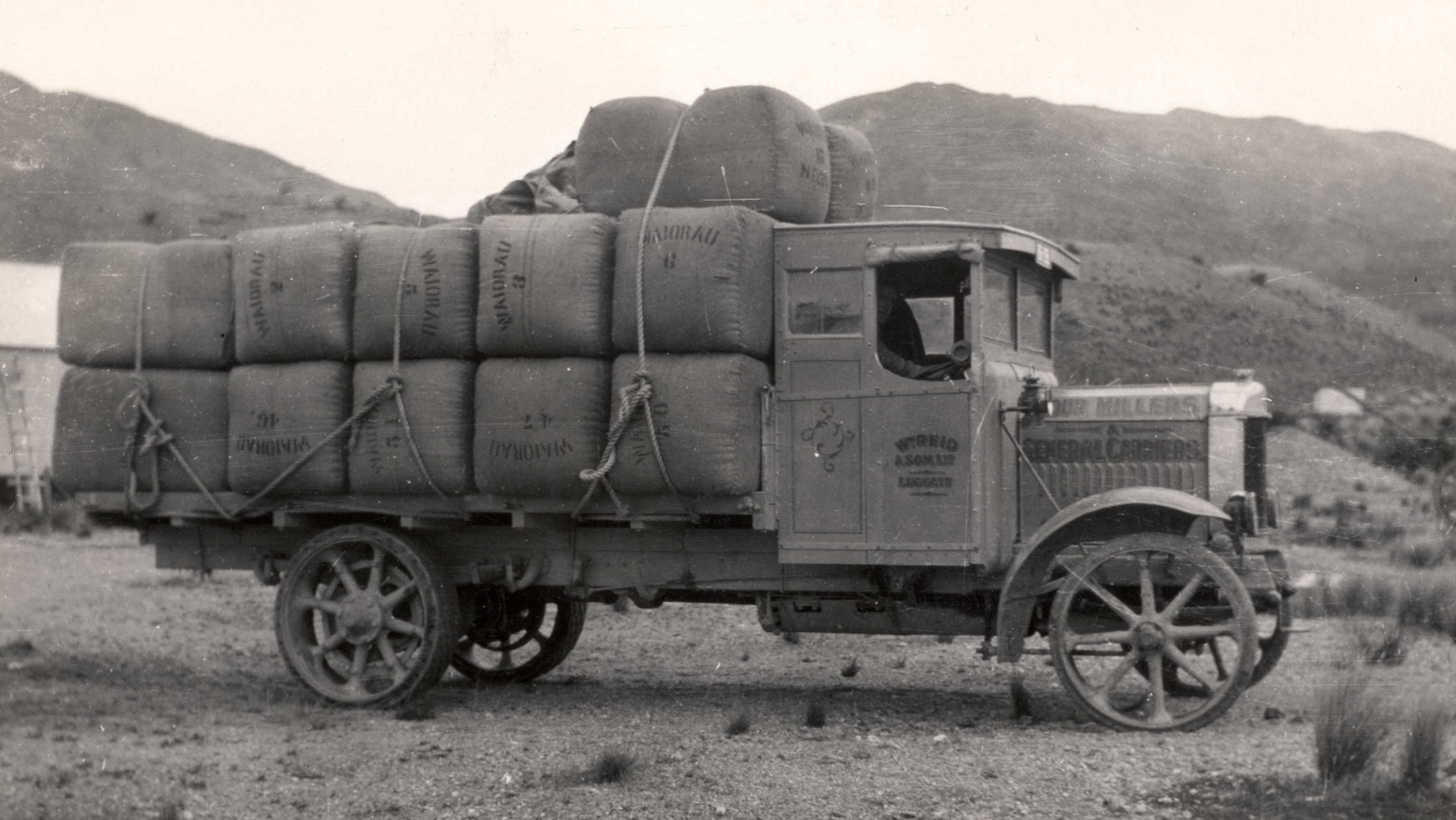
In the late 1800’s early settlers to New Zealand purchased large areas of land which were later divided into ‘stations’ – large farming properties. After the 1st World War a number of these large ‘stations’ were divided into ‘runs’ and offered by ballot to returned servicemen.
In 1924 Robert (Bob) Joseph Lee purchased one of these runs in the ballot. Run 625 was 16,000 acres with a mixture of high country land and some lower ground suitable for wintering stock. Bob named the run ‘Waiorau’, Maori for many waters.

He proceeded to fence the property in order that sheep would stay on Waiorau and could be summered on the higher mountain tops and in the winter be brought back to the valley where they could be given feed. Initially there was only a hut to live in, but when Bob married in 1927 a new homestead was built which operates today as a luxury bed and breakfast venue. It has been renovated over the years, but has retained its original structure and character.


Conditions for the farmers were fairly bleak in those early days compared to modern New Zealand standards. Medical services in the area were limited so Bob’s wife Daisy returned to her parents’ home to be near a hospital in Palmerston, a small East Otago village, for the birth of her first four children. Household supplies in those early years were difficult, but Daisy, having come from a dairy farm, was well trained to provide for her hungry family and workers. They were very self-sufficient, using meat from the farm, milk and cream from the cows they milked and fruit and vegetables from their garden. Nearly everything at the homestead was made by Daisy including their daily bread.

In the early days the road from Oamaru to Cardrona was gravelled and now what takes only about three hours used to take them much longer. Rain or snow would often flood rivers and create slips on the road.

Schooling was limited in such an isolated area. Bob didn’t want a boarding school education for his boys, so he bought a house in Oamaru, his home town, and that was where Daisy and the boys lived during the school terms. The family returned to the farm for the school holidays, a highlight of the boy’s childhood. The wool from the Merino sheep formed the sole income for ‘Waiorau’ in those early years.
In 1965 Bob Lee’s son, John Allandale Lee, purchased ‘Waiorau’ from his father. John was not ‘just’ a sheep farmer – he was an entrepreneur as well!
He met his wife Mary during a social rugby game – the local Wanaka rugby team was playing the Otago Physiotherapy students. Mary played in the position of hooker and ‘hooked’ more than she had intended! They married in February 1969. Mary was an enthusiastic downhill skier and figured that she had exchanged her skiing days for life on a sheep farm. At that time John had a strong dislike of snow as he had experienced the difficulties of rescuing sheep caught in the early snows on what is now the Snow Farm and Pisa Conservation Area.
Snow businesses were to become the focus for the family alongside the existing farming operations. They have three children who have all been involved to some level in the businesses created.
John’s love of wool remains with him, but the decline in the viability of sheep farming and a need for alternative uses of the land changed his focus. Farms were amalgamating and services such as the school bus and rural delivery were becoming non-existent due to depopulation.
John’s wish was to build the population of the Cardrona Valley into an exciting place to live.
First published in “Changing Times in the Cardrona Valley” by John Lee. Some photos subsequently added.