Category: Articles
-
The early farming years, and rabbits: 1911 – 1949
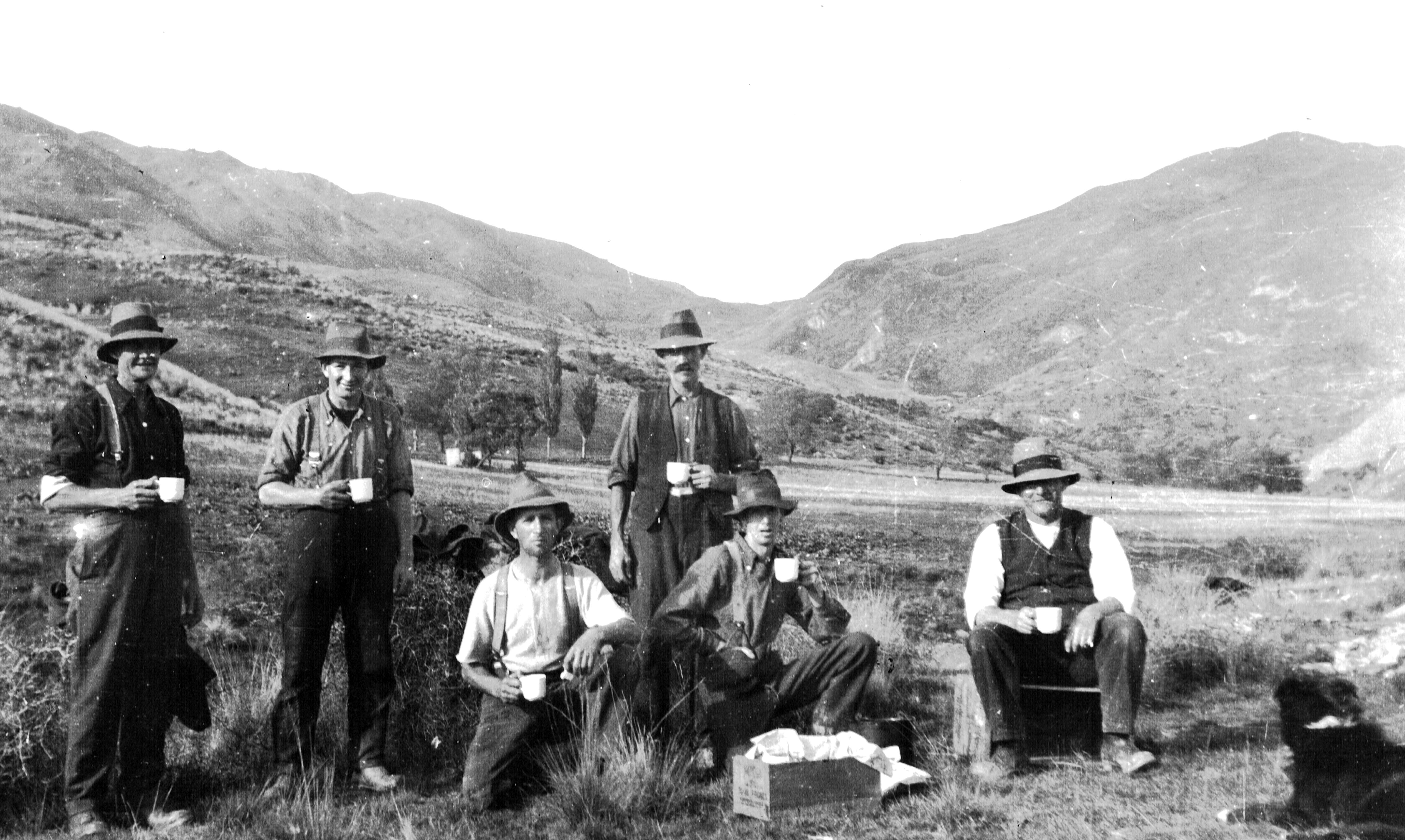
The second economic stage was a mixture of small, uneconomic farms with farmers supplementing their farm income with a mixture of gold mining and the sale of rabbit skins. Twenty-eight men joined the army during the First World War, having a big impact on the valley’s economy. The effect of the Great War on Cardrona…
-
The gold mining years: 1864 – 1910
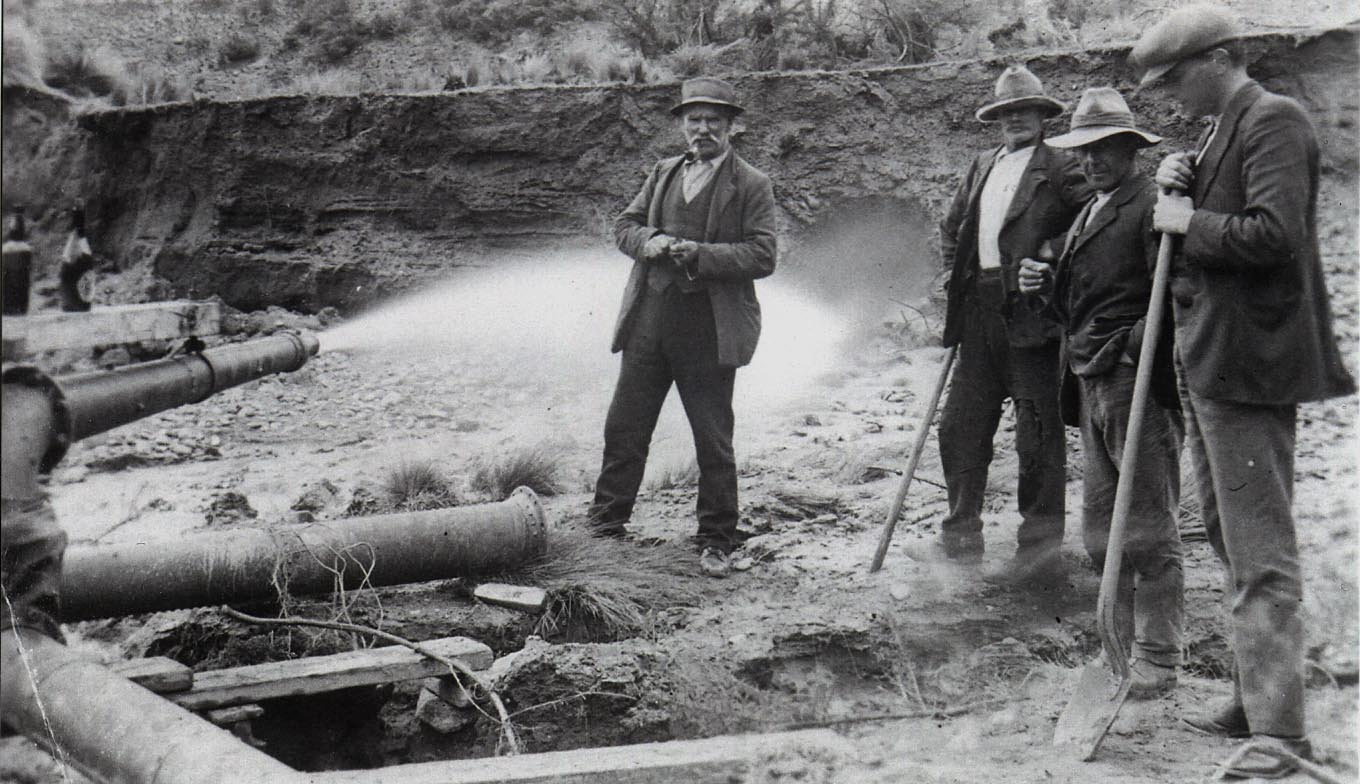
When passing through the Valley to the West Coast for greenstone, the Maori referred to the Cardrona Valley, as the “Dry Valley”. They travelled along the ridgeline because matagouri and speargrass were so thick in the valley and then they descended where there was less matagouri and more manuka at the dryer Mt. Barker end.…
-
Cardrona Families
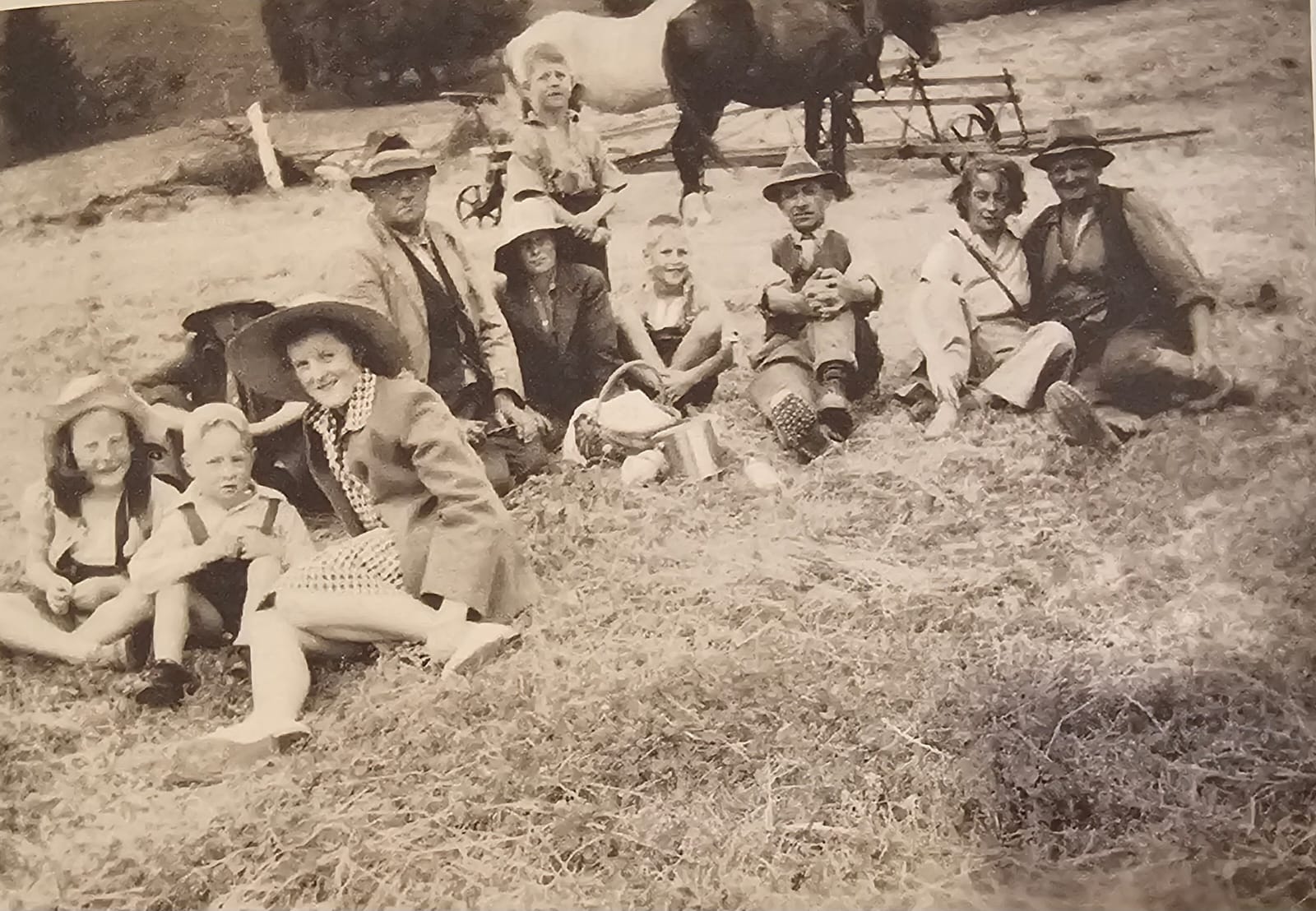
A brief introduction to families who lived in the valley and influenced the history of Cardrona. Anderson Eric Anderson from the Mt Barker family of Daniel Thomas (Tom) and Jean Elizabeth Anderson, had a Cardrona connection back through to pioneers John and Rebecca Pearce. He reinstated this connection by marrying Cardrona girl Jean Waters, daughter…
-

The discovery of gold at Cardrona
On the 14 August 1862 Hartley in Riley deposited 87lb weight in gold in the Dunedin receiver’s office and the dynamics of inland Otago changed irrevocably. Discovered near present-day Cromwell this initial find brought a flurry of miners into the region. Many miners trekked up to Wilkins to get a safe ferry across the Clutha.…
-

Early European explorers arrive at Cardrona Valley
In the Scottish Borderlands on the banks of the River Tweed lies a small estate called Cardrona. Picturesque and pretty this Scottish vale, three miles from Peebles, is the namesake of the somewhat more dramatic Cardrona Valley in New Zealand’s stunning Lakes District. A wild and mountainous landscape liberally endowed with majestic ranges and deep,…
-

Gallery: The gold rush
After the discovery of gold in the Cardrona Valley, hundreds of people flocked to the valley to try their luck. There are very few photos of this era and the gold mining activities which followed it, but below we share a few.
-
Gallery: Cardrona’s buildings
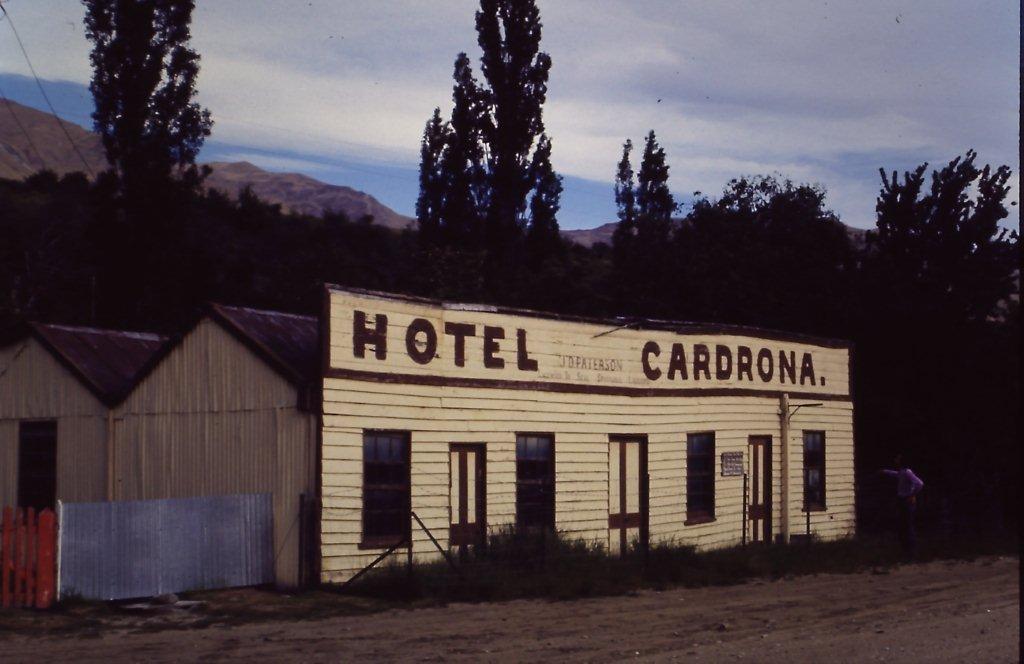
Some of Cardrona’s buildings date back to the time of early settlers arriving in the valley, and many of them have outlasted two generations of Cardrona residents. Below is a selection of photos featuring Cardrona buildings.
-

An interview with George Scurr
George Scurr shares his memories of life in the Cardrona Valley – from his school days working on the farm right through to working as an adult maintaining the Crown Range once he was no longer farming.
-

Gallery: Horsing around the Cardrona
Horses are a key part of Cardrona’s history – from the first settlers who arrived in the valley, to miners and farmers who used horses as a key work tool. Below are some early photos of the horses of Cardrona.