Category: Mining
-

Early commerce in Cardrona Valley
John Cunnard was one of the first to operate a canvas constructed drinking establishment at Cardrona. He’d originally been at the Arrow diggings and in April 1863 had submitted the lowest price of £6 a cairn for the first trail markers to be erected in the district. He disposed of his share in his Arrow…
-

The early Cardrona village
Like most mining camps the initial town was built of calico or canvas. A favoured method of construction, this allowed buildings to be both erected and dismantled quickly; the material also being comparatively light and cost effective. In most early mining settlements the initial inhabitants were young, single and high-spirited. A ‘work hard – play…
-

The crippling flood of 1878
1878 – Jack McDougall senior told his grandson Jack, that before the flood the river was quite a defined, deep river within the valley with spacious river flats. After the floods the river levelled out, rumbled and rumbled over rocks and boulders particularly around Shot’s Creek. The Cardrona Valley had been reshaped by nature and…
-

Hope, hardship and hotels
Cardrona cannot boast of a dastardly figure such as Bully Hayes in its past but, like all mining districts, attracted its share of vagabonds and “ne’er do wells”. Charles Colclough was the patron of the Royal Mail Hotel and Post Office Store. He was also a joint leaseholder with James Gibson and together they ran…
-
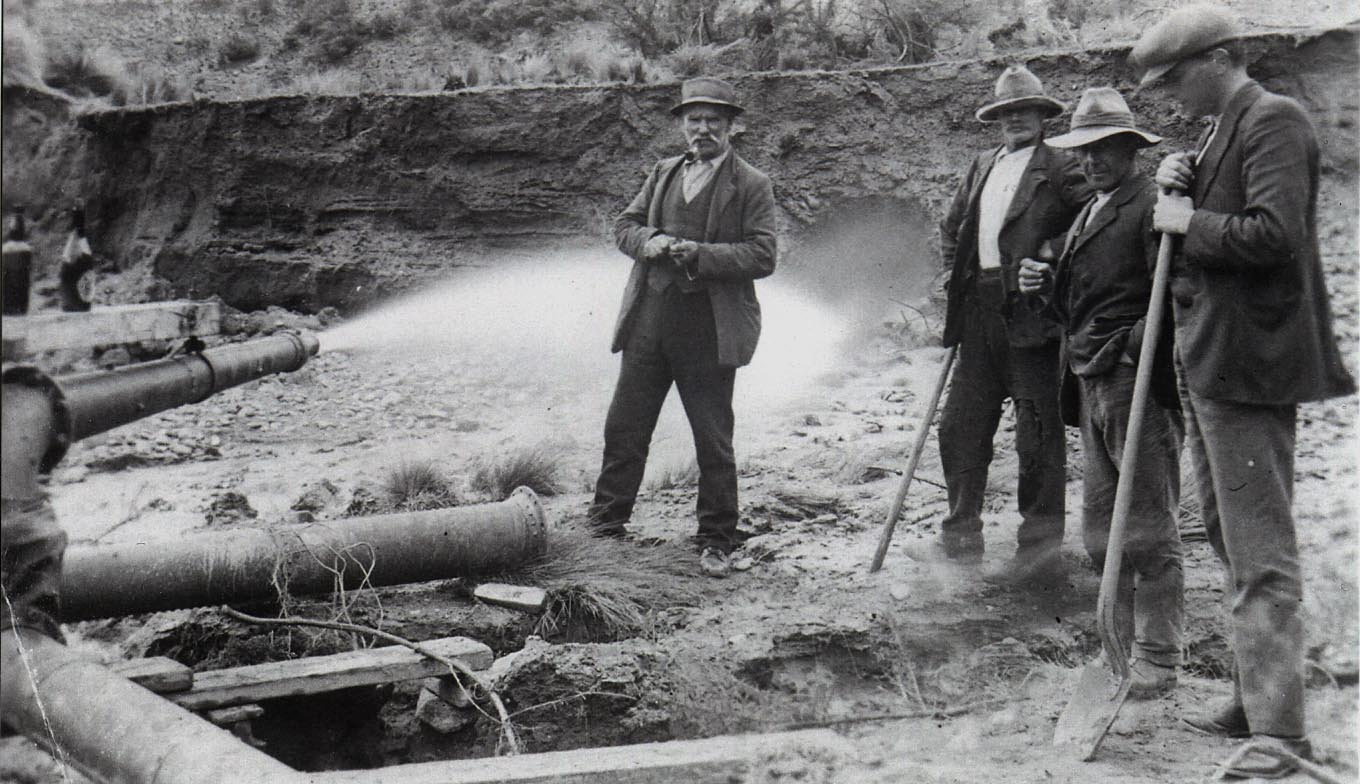
The gold mining years: 1864 – 1910
When passing through the Valley to the West Coast for greenstone, the Maori referred to the Cardrona Valley, as the “Dry Valley”. They travelled along the ridgeline because matagouri and speargrass were so thick in the valley and then they descended where there was less matagouri and more manuka at the dryer Mt. Barker end.…
-
Cardrona Families
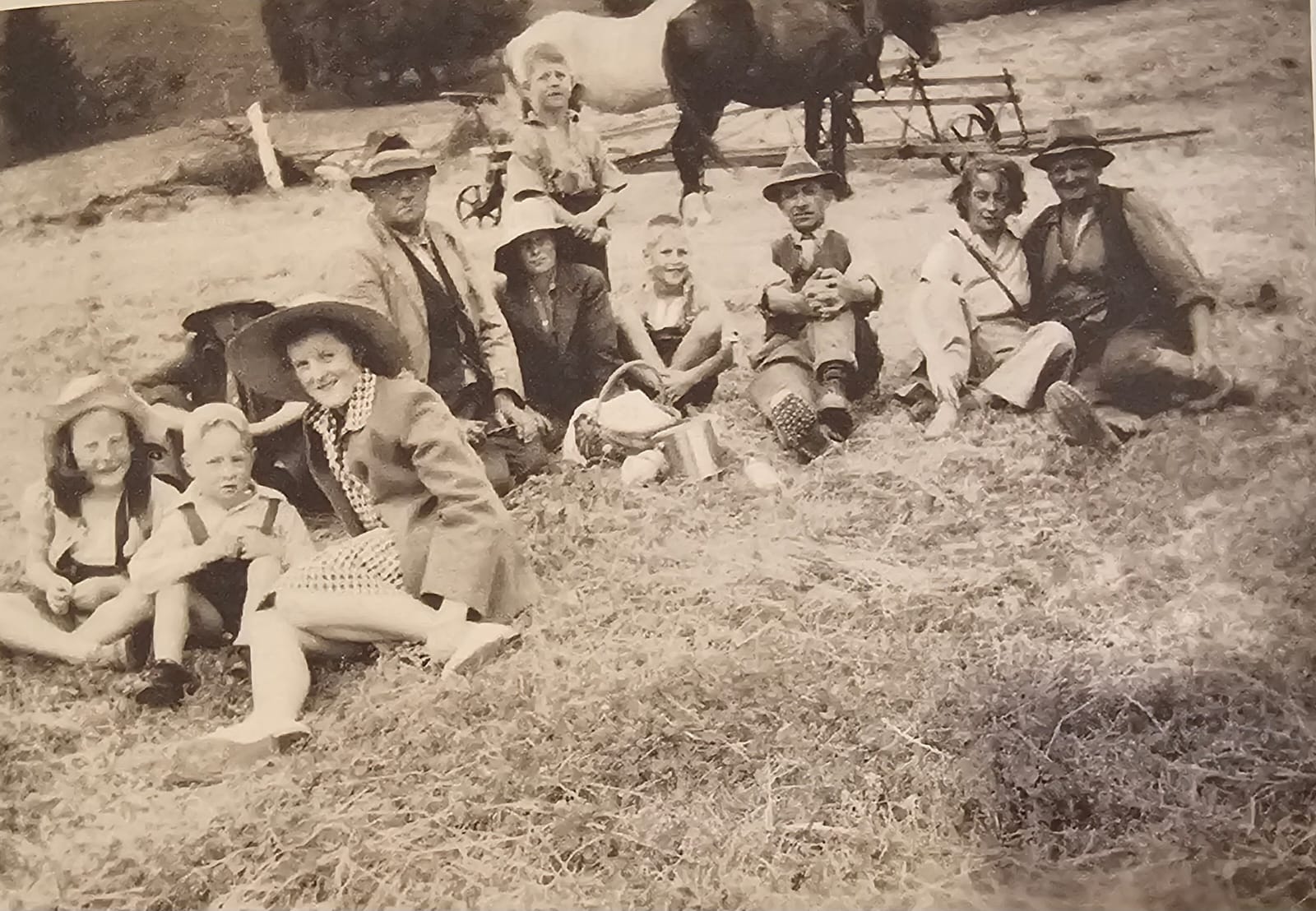
A brief introduction to families who lived in the valley and influenced the history of Cardrona. Anderson Eric Anderson from the Mt Barker family of Daniel Thomas (Tom) and Jean Elizabeth Anderson, had a Cardrona connection back through to pioneers John and Rebecca Pearce. He reinstated this connection by marrying Cardrona girl Jean Waters, daughter…
-

The discovery of gold at Cardrona
On the 14 August 1862 Hartley in Riley deposited 87lb weight in gold in the Dunedin receiver’s office and the dynamics of inland Otago changed irrevocably. Discovered near present-day Cromwell this initial find brought a flurry of miners into the region. Many miners trekked up to Wilkins to get a safe ferry across the Clutha.…
-

Gallery: The gold rush
After the discovery of gold in the Cardrona Valley, hundreds of people flocked to the valley to try their luck. There are very few photos of this era and the gold mining activities which followed it, but below we share a few.
-

Gallery: Horsing around the Cardrona
Horses are a key part of Cardrona’s history – from the first settlers who arrived in the valley, to miners and farmers who used horses as a key work tool. Below are some early photos of the horses of Cardrona.